
Professional Grease Trap Cleaning in Newton, MA
RooterMan provides professional grease trap cleaning serving Newton, MA, helping food service businesses across Middlesex County stay compliant, avoid costly backups, and keep commercial kitchens running. If your restaurant, café, or food hall in Newton Centre, West Newton, or Nonantum needs reliable trap service, call
(978) 671-0101
today to schedule.
Grease Trap Cleaning for Newton, MA, Food Service Businesses
RooterMan delivers thorough grease trap service to commercial kitchens throughout Newton, MA. From casual dining spots along the Route 9 corridor in Newton Centre to cafes in Nonantum and West Newton, every kitchen produces fats, oils, and grease (FOG) that can solidify inside drain lines. Without regular service, a grease trap or interceptor becomes a source of sewer backups, foul odors, failed inspections, and unplanned closures.
What Is a Grease Trap and How Does It Work?
A grease trap is installed between kitchen drains and the municipal sewer line. It slows wastewater flow so FOG floats to the top while solids sink, keeping greasy waste out of Newton’a public sewer system. Larger operations often use an outdoor grease interceptor instead of, or in addition to, an indoor trap. Both require regular pumping and cleaning.
What Does the Grease Trap Cleaning Process Look Like?
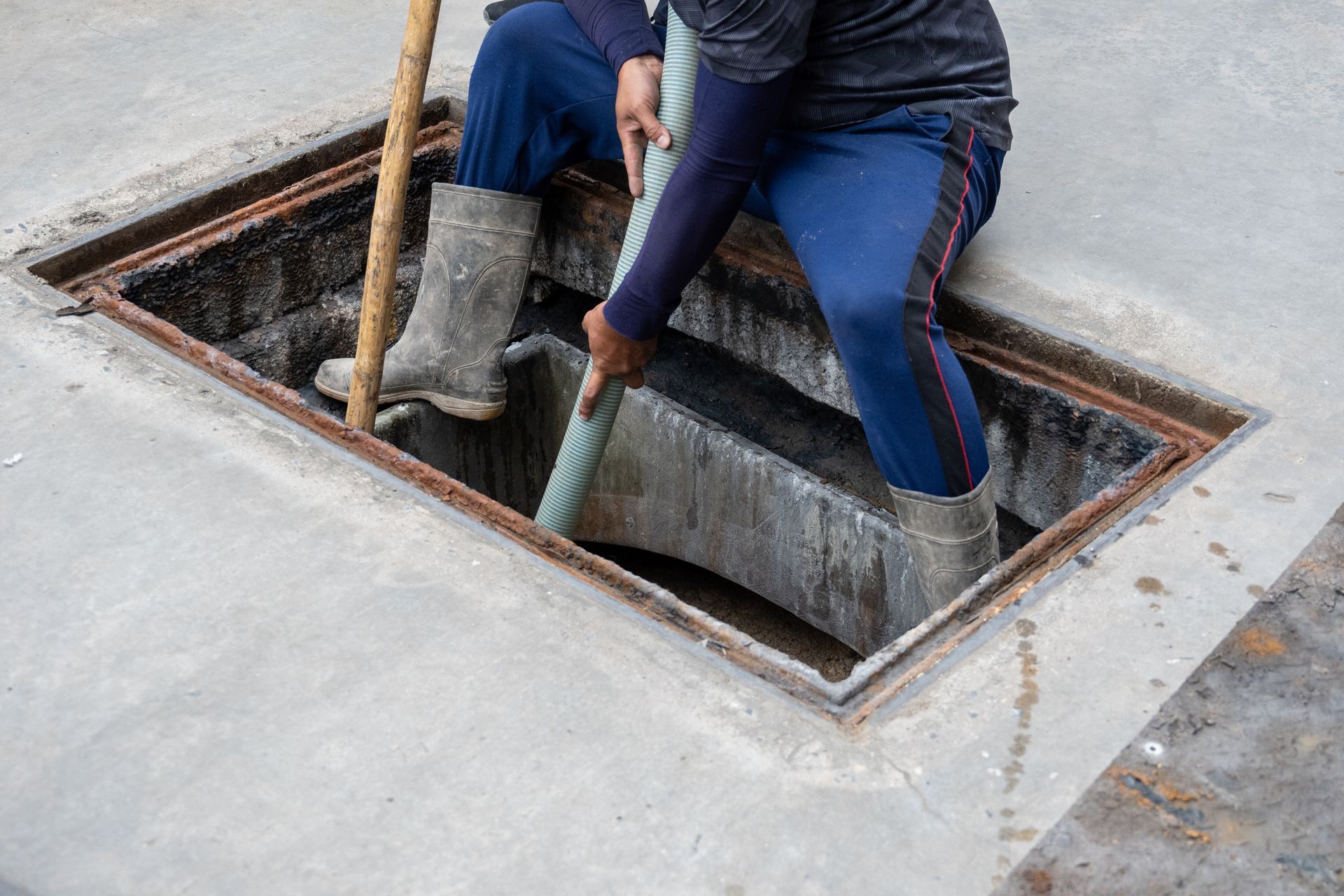
Each RooterMan service visit follows a consistent process. Every step matters for compliance and long-term system health.
1. Access and Assessment. The technician opens the trap or interceptor and checks grease depth before pumping begins.
2. Pump Out All Contents. All accumulated FOG, food solids, and wastewater are fully removed.
3. Scrape and Rinse Internal Components. The lid, baffles, and interior walls are scraped and rinsed to remove residual grease that pumping alone does not capture.
4. Inspect the Trap. The technician checks baffles, gaskets, and inlet and outlet lines for wear, damage, or blockage.
In most situations, a visit does not require shutting down kitchen operations.
Who Needs Grease Trap Service in Newton, MA?
Any food service operation discharging into the public sewer system may be required to maintain a grease trap. That includes restaurants, cafes, school cafeterias, hospital kitchens, catering facilities, and food processing operations. Newton's municipal guidance, referencing 360 CMR 10.023 and local ordinances, requires that grease traps be inspected by the owner at least monthly and cleaned every three months, or whenever accumulated grease reaches one-quarter of the trap's inside depth. Grease trap cleaning service must be performed by a licensed hauler.
What Are the Consequences of Skipping Grease Trap Service?
Failing to maintain a compliant schedule can result in backups that the Newton Department of Health may classify as an imminent health hazard, with serious operational consequences. Staying current is far less disruptive than responding to an enforcement notice.
Local Compliance and Service Records
Businesses discharging FOG into public sewers operate under state regulation and local ordinance enforcement. The Newton Health Department may inspect food establishments to verify that cleaning records are current. A maintenance log with dates, service provider information, and waste volumes is a straightforward way to demonstrate compliance.
How Does RooterMan Help Kitchens Stay Inspection-Ready?
RooterMan provides documentation after each visit. Businesses along Chestnut Street in West Newton or Centre Street in Newton Centre may face more frequent inspection cycles given the density of food operations in those areas. A consistent, scheduled service program with a licensed provider simplifies compliance considerably. For related sewer and drain concerns, see RooterMan's sewer cleaning services for Newton, MA, or the drain cleaning services page.
Frequently Asked Questions About Grease Trap Cleaning in Newton, MA
How Often Should a Grease Trap Be Cleaned in Newton, MA?
Newton, MA, requires cleaning at least every three months, or sooner if grease reaches 25% of the trap's depth. State regulation 310 CMR 15.351 reinforces this standard. Many busy kitchens opt for monthly or bi-monthly service to stay well within compliance and reduce overflow risk.
What Happens If a Grease Trap Is Not Cleaned Regularly?
FOG and food solids accumulate until the trap can no longer function. Grease then flows into the sewer line and can cause backups affecting neighboring properties on the same line. Newton's Department of Health may classify such a backup as an imminent health hazard, triggering formal enforcement action.
Does RooterMan Service Grease Interceptors as Well as Indoor Traps?
Yes. RooterMan services both smaller indoor grease traps and larger outdoor grease interceptors. The process involves the same pumping, scraping, inspection, and documentation steps, though interceptors hold greater volume and may require a vacuum truck for complete removal.
How Do I Know If My Grease Trap Needs Service Before the Three-Month Mark?
Pricing depends on the location and severity of the blockage, as well as the method required to clear it. We provide upfront estimates before starting any work so therWatch for slow kitchen drains, gurgling floor drains, or grease odors from sink lines. High-volume periods, such as the summer dining season along Newton, MA's Route 9 corridor, can accelerate FOG accumulation and may call for more frequent service.e are no surprises. Call (978) 671-0101 or request a free quote online to get an accurate cost for your specific situation.
What Records Does Newton, MA, Require Food Businesses to Keep?
Food establishments must maintain records of each cleaning, including the service date, the licensed hauler's name, and documentation of waste removed. Records must be available on-site for review by city inspectors.
Schedule Your Grease Trap Cleaning Today
Restaurants and food businesses can rely on RooterMan for licensed, documented grease trap cleaning in Newton, MA. Call (978) 671-0101 or submit a service request online.